

Best Hitting Mats for Golf Simulators in 2026

Quick Summary
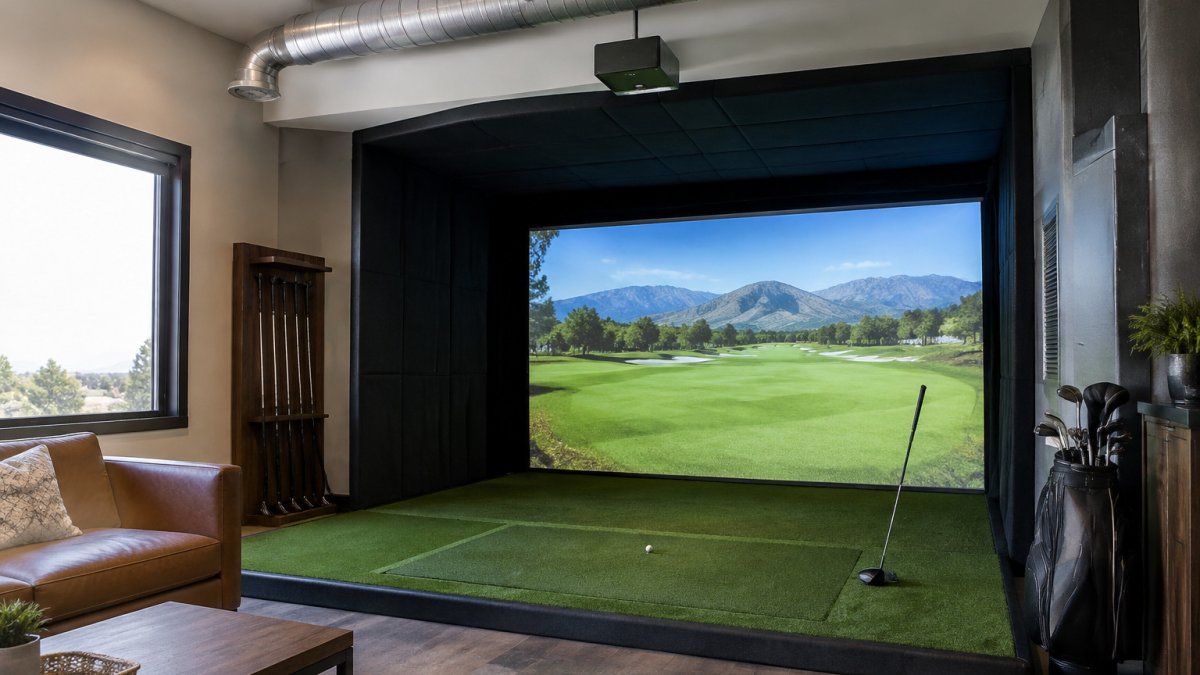
The best of the hitting mats for most homeowners is one that pairs a realistic hitting surface with a replaceable insert and a size that fits the room. Choose a mat as part of the overall bay design, based on how often you hit, how much space you have, and whether you hit off a stance area or a full-size strip.
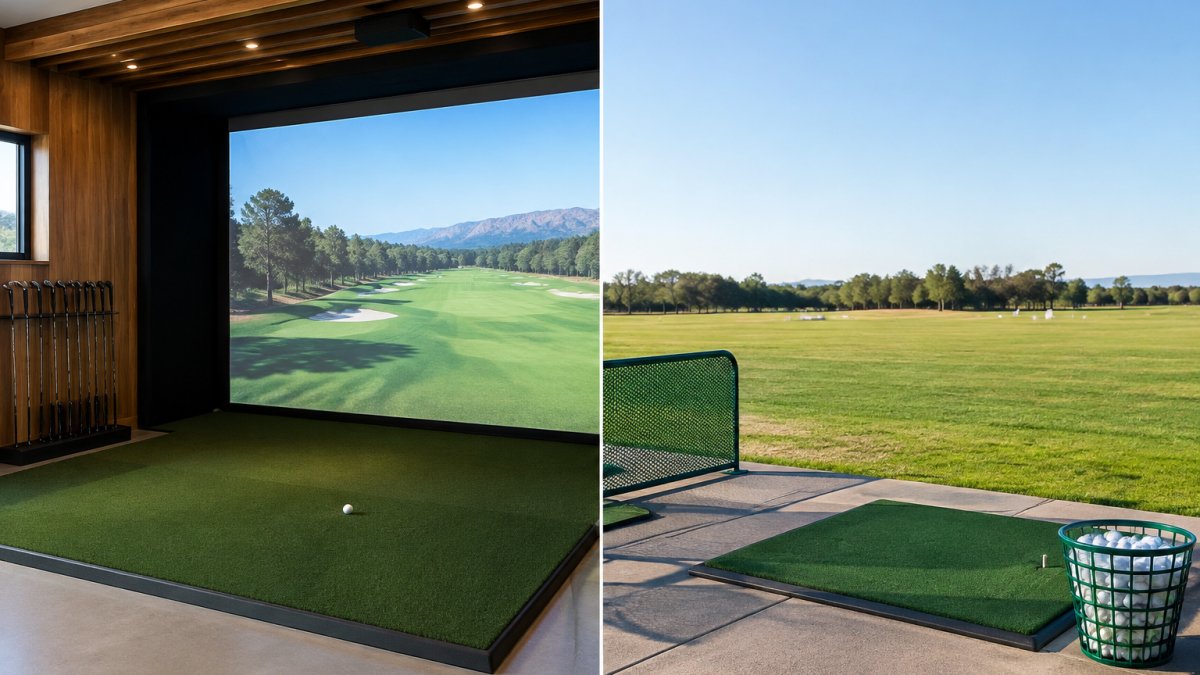
Full-size mats with a stance area and replaceable hitting strip suit a dedicated bay.
Measure ceiling height and swing arc before choosing mat dimensions.
Mat thickness sets underfoot feel and how much the mat gives on contact.
Confirm total mat height, since a half-inch height mismatch can shift your stance.
Keep tee height and ball position consistent so launch monitor readings stay reliable.
Table of Contents
Which Hitting Mat Works Best for Your Simulator Bay
For most homeowners building a dedicated bay, the best of the hitting mats is one that pairs a realistic hitting surface with a replaceable insert and a size that fits the room. Explore the proprietary turf and premium materials used in each Rocket Golf Simulator bay. A mat works best when it is chosen as part of the overall bay design rather than as a standalone purchase. [PAGE:1]
The right choice depends on three things: how often you hit, how much space you have, and whether you plan to hit off a stance area or a full-size strip. Casual weekend players can often get by with a smaller mat, while serious hobbyists who hit daily will want a heavier-duty surface with a replaceable hitting strip.
Quick Picks:
Best overall for a dedicated bay: a full-size mat with a stance area and replaceable hitting strip
Best value for occasional use: a compact practice mat that covers the basics
Best for portability: a modular mat that can be moved or reconfigured
How We Evaluated These Mats
Treat the comparisons as a framework for narrowing your shortlist, then confirm current specifications with the manufacturer before you buy.
Golf Simulator Mat Size: Matching Dimensions to Your Room
Most full simulator setups use one of the hitting mats sized to fit a stance area plus a hitting strip, with enough clearance behind the ball for your swing path. A common approach is to measure the room first, then work backward to the mat dimensions that fit.

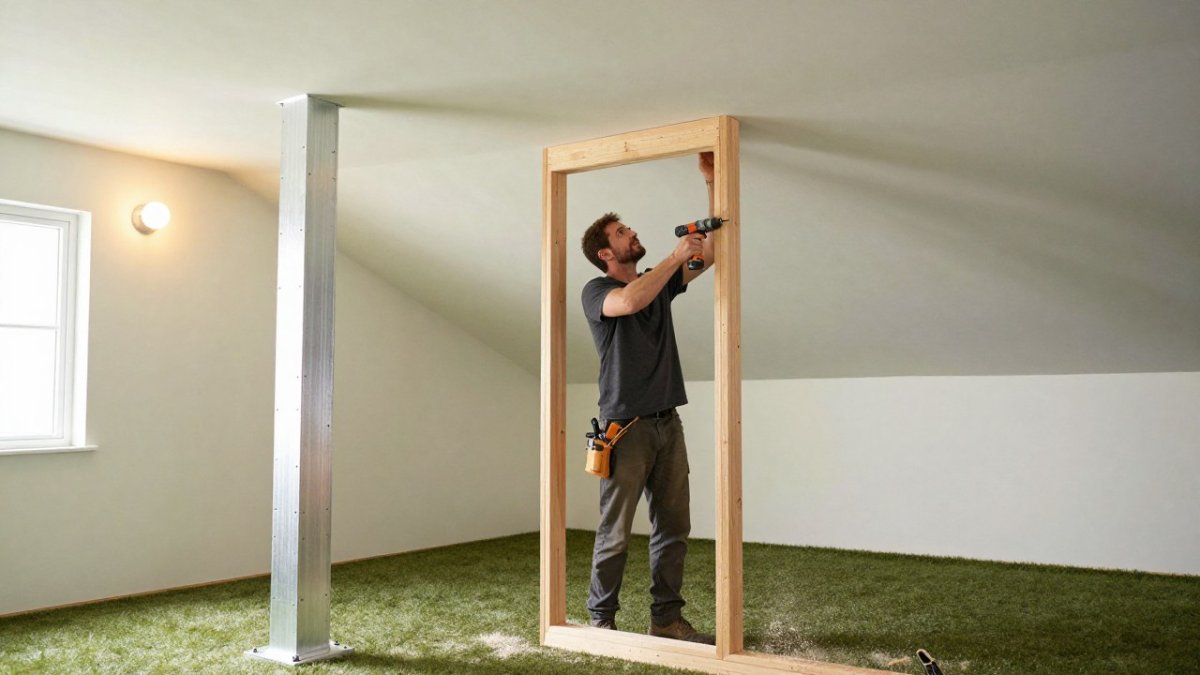
Measure your ceiling height, the depth from the screen to the hitting position, and the width you need for a full backswing. Compare enclosure materials that affect how much space the setup occupies. Ceiling clearance matters most for driver swings, so account for the height of your swing arc, not just the ceiling itself. Check the minimum ceiling height for home golf to confirm your room works.
Golf Hitting Mat Thickness and What It Means for Feel
Thickness is the most misunderstood spec on a hitting mat. It does two jobs at once: it sets how the surface feels underfoot, and it sets how much the mat gives when the clubhead reaches the low point of the swing. Those are related but not identical, and a mat that feels plush in shoes can still produce a firm, shallow strike.
A useful way to think about it is in layers. Most simulator mats combine a turf top, a foam or rubber shock layer, and a base that keeps the mat from sliding. Thickness is the sum of those layers, so two mats listed at the same depth can behave very differently if one puts its mass in the turf and the other in the foam.
What thickness changes in practice:
Underfoot feel. Thicker builds generally feel more cushioned during a long practice session, which matters if you hit for 45 minutes or more.
Clubhead interaction. A thicker, softer layer lets the club pass slightly deeper before it meets resistance. A thinner mat transmits the strike more directly, which some players prefer for feedback.
Tee stability. Real tees need enough material to hold them upright. On a thin mat, a tee can bottom out against the base or the floor beneath, so check the mat's total depth before you plan to hit driver off a tee.
Ball position and stance height. If the mat sits on a concrete garage floor, the mat's thickness raises the ball and your feet relative to the surrounding floor. A 15 mm mat and a 35 mm mat put you at different heights, which can matter when the launch monitor is calibrated to a fixed floor plane.
Pro Tip Measure the mat's total height, not just the turf pile. If the mat sits next to a hard floor, a height mismatch of even half an inch changes your stance and can shift where the club bottoms out.
Thickness is one input among several. Pair it with the turf type and the base construction, and confirm the current spec sheet with the manufacturer before you buy, listed depths change between product generations.
Golf Mat Turf Types and Realistic Fairway Feel
Turf type is the single biggest driver of how a shot feels, and it is also where most buying guides stay vague. The useful distinction is not 'realistic versus unrealistic', it is how the turf is built and what that build does to the clubhead, the ball, and your launch monitor.
The main turf constructions you will see:
Nylon or polypropylene fiber turf. Dense synthetic fibers stitched into a backing. Durable and consistent, but firmer under the club. Common on budget and mid-range mats.
Fiber-and-foam composite turf. Synthetic fibers over a foam shock layer. Softer on the joints and more forgiving on fat strikes, but the foam can compress over time in the hitting zone.
Replaceable hitting strips. A short section of turf, often 1' x 2' or similar, that drops into a cutout in the stance mat. When the strip wears, you replace the strip rather than the whole mat. This is the configuration most dedicated simulator bays use.
Proprietary or custom turf systems. Some installers build bays around their own turf blend, which lets them tune feel and wear for the specific bay.
Tee compatibility is part of turf choice. Real tees need a turf that holds them without tearing. Dense fiber turf holds a tee well; loose or shallow turf lets the tee wobble. If you plan to hit driver off a tee, confirm the mat accepts standard tees at the height you use, and check whether the mat ships with a tee holder or rubber tee insert.
How turf and tee height affect launch-monitor consistency. This is the angle most guides skip. Launch monitors measure ball speed, launch angle, and spin from the ball's flight and, depending on the system, from markers on the club or ball. If the mat surface is soft enough that the ball settles slightly into the turf, or if the tee height changes between sessions, the monitor sees a different ball position each time. That shows up as inconsistent readings that look like swing changes but are really setup changes. The fix is simple: pick a tee height and a ball position and repeat them, and keep the hitting strip in the same spot relative to the monitor.
Watch Out A mat that feels great but lets the ball sink into the turf can make your launch angle read lower than it is. Consistency of ball position matters more than plushness for simulator data you can trust.
For a realistic fairway feel, look for turf that gives slightly on contact and returns to shape, not turf that stays compressed where you hit. That return-to-shape behavior is what keeps feedback consistent across a long session, and it is the practical difference between a mat that lasts a season of daily use and one that develops a worn groove in the hitting zone.
Golf Hitting Mat Durability, Replacement Costs and Joint Load
Durability depends on the hitting area, which takes the most wear, and on whether the mat uses a replaceable insert. A replaceable hitting strip lets you swap only the worn section instead of the whole mat, which usually lowers long-term cost.
Joint load is worth considering for anyone hitting frequently. A surface that absorbs more impact can reduce strain on wrists and elbows over many sessions. The supplied research does not quantify these effects, so treat joint protection as a general consideration rather than a guaranteed outcome.
Florida's heat and humidity also affect how materials age, so ask any installer how the setup is protected in a garage or spare room.
The article's durability points can be scanned at a glance:
Factor | What the article says | Note |
Replaceable hitting strip | Swap only the worn section | Usually lowers long-term cost |
Hitting area | Takes the most wear | Durability depends on it |
Joint load | Impact-absorbing surface may reduce strain | General consideration, not quantified |
Climate | Florida heat and humidity affect aging | Ask installer about protection |
Booking a Custom Simulator Bay Layout With Rocket Simulators
If you want a mat matched to your room, a custom layout is the simplest path. Our team measures the space on site and recommends equipment, then manages the build through installation. Request a custom design and installation quote for your Greater Orlando area bay. [PAGE:5]
Pricing depends on the bay design, materials, and installation scope, so request a quote from Rocket Simulators for current pricing. [PAGE:4]
Frequently Asked Questions
What is the best hitting mat for a golf simulator?
The best hitting mat depends on your setup, budget and how often you hit. For a full simulator bay, look for a mat with a stance area and a replaceable hitting strip, since the strip takes most of the wear. Compare the models in this guide on size, thickness and turf type, then check current pricing directly with the manufacturer or a Rocket Simulators consultation, since prices vary by configuration and are not listed here.
How thick should a golf simulator mat be?
Thickness affects how the club and ball feel and how much impact the joints absorb. Many simulator buyers use mats in the 15 mm range as a value option, while thicker mats add cushioning for frequent hitters. Choose thickness based on how often you practice and how much give you want underfoot, and confirm the exact specification with the seller before buying.
Do golf simulator mats cause wrist or elbow pain?
A mat that is too firm or too thin can transfer more shock to the wrists and elbows, especially during repeated full swings. A softer, thicker hitting surface reduces that load, and keeping your ball position and swing consistent matters just as much. If you already feel joint pain, reduce hitting volume and consult a medical professional before continuing an intensive practice routine.
How long do golf hitting mats last?
Durability depends on the turf, the hitting-strip material, how often you hit and whether the mat stays clean and dry. Replaceable hitting strips are designed to be swapped when worn, which can extend the life of the full mat. Florida humidity and heat can shorten the life of a mat stored in a garage or spare room, so keep it out of direct sun and moisture when not in use.
Are expensive golf hitting mats worth it?
Higher-priced mats usually offer better turf realism, more durable hitting strips and sturdier construction, which can lower long-term replacement costs. A budget mat can still work well for occasional practice. Weigh the purchase price against how often you will hit and how long you expect the mat to last, and request a quote for a configuration that fits your space.
FAQ
What size hitting mat do I need for a home simulator? Measure your ceiling height, screen-to-hitting-position depth, and backswing width first. Most setups use a mat that covers a stance area plus a hitting strip, and the exact size depends on your room.
Are thicker hitting mats better? Not always. Thickness changes feel, but construction and turf type matter as much. Compare the full specification before deciding.
Comments